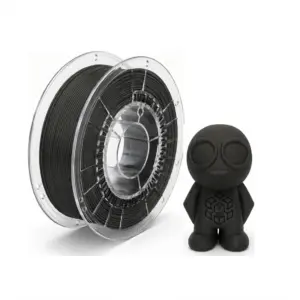
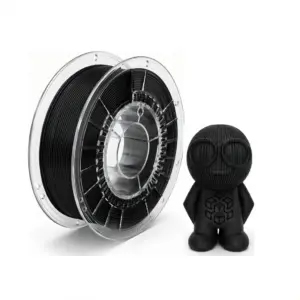
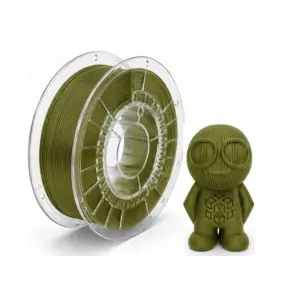
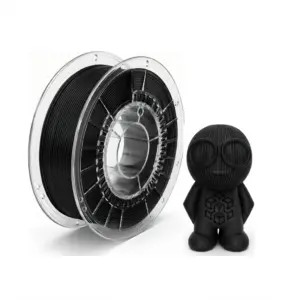
NOVO: PETG Matt refill — sada 16,99 €
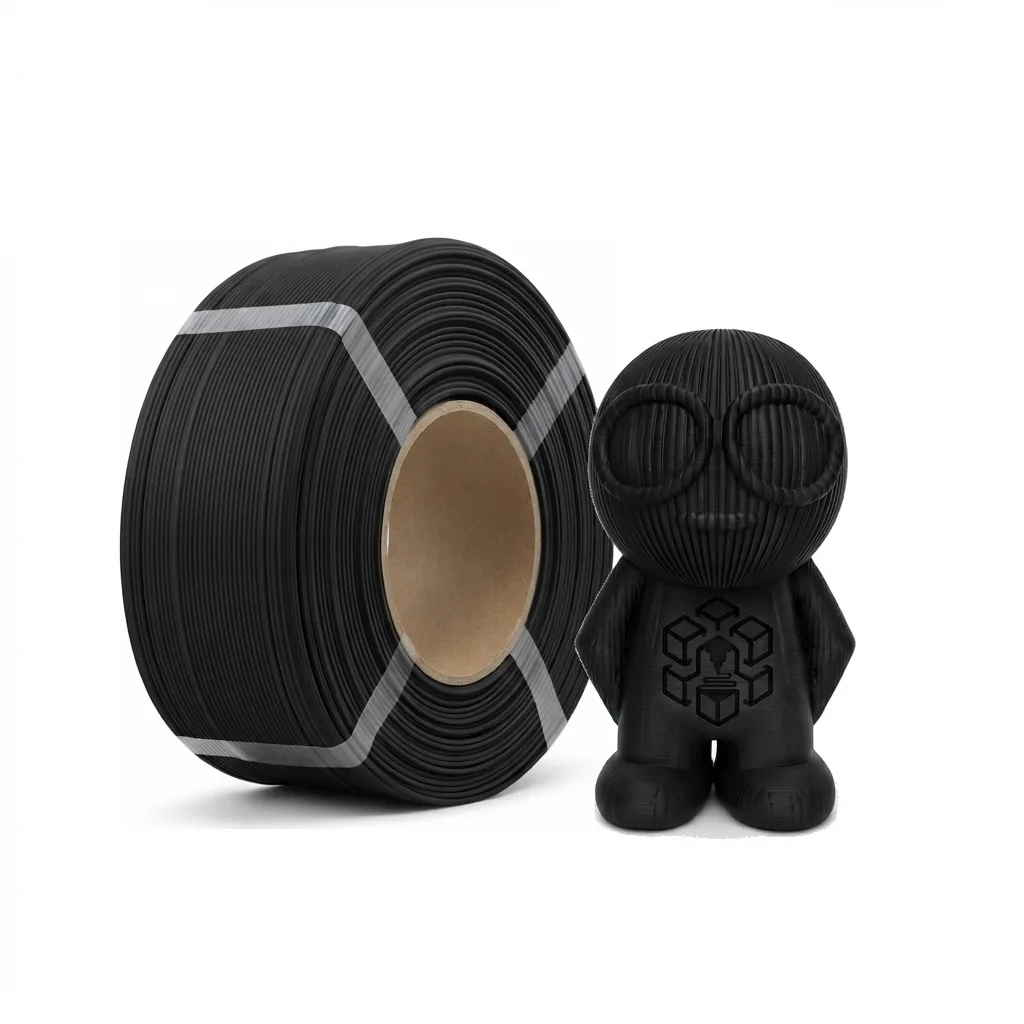
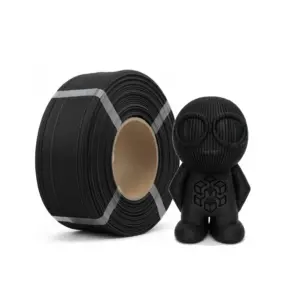
Crni mat PETG 1 kg bez špule · prikriva slojeve · proizvedeno u Hrvatskoj
Pogledaj PETG Matt →
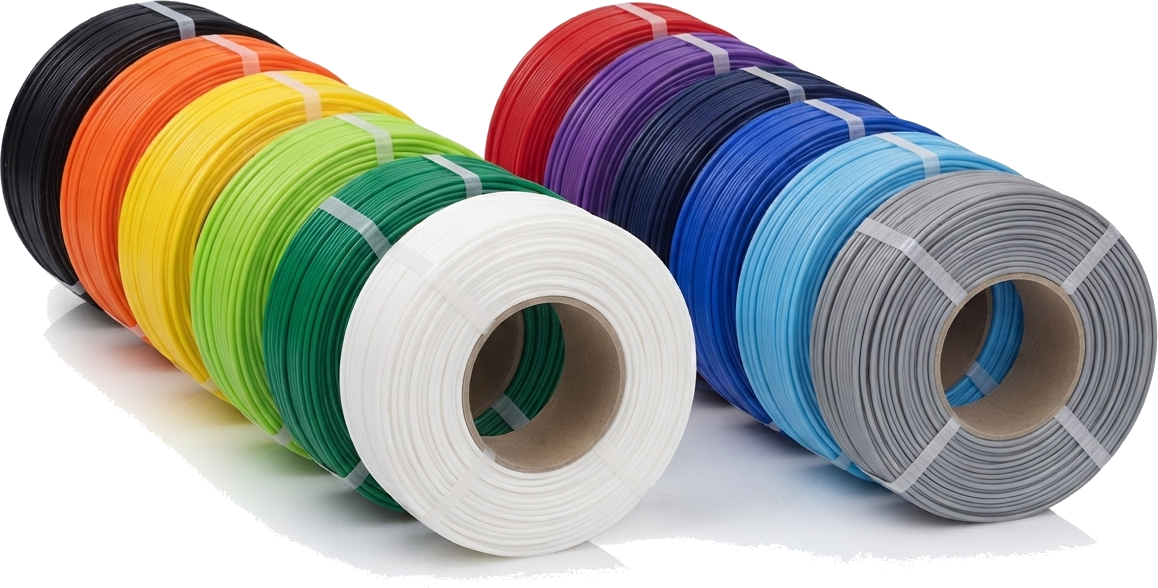
Izgradi svoj paket — refill od 8,49 €/kg
20 / 50 / 100 kg · besplatna DPD dostava · proizvedeno u Hrvatskoj
Složi svoj paket →
Filamenti za 3D printere proizvedeni u Hrvatskoj
Brza dostavaNarudžbe šaljemo u roku 24 sata.
Osigurana pošiljkaŠtiti tvoj trošak
100% sigurno plaćanjeApple Pay / MasterCard / Visa
Skupljaj bonuse i nagradePopusti i bodovi
PLA HS
Biorazgradiv
Brz ispis
Niska temperatura
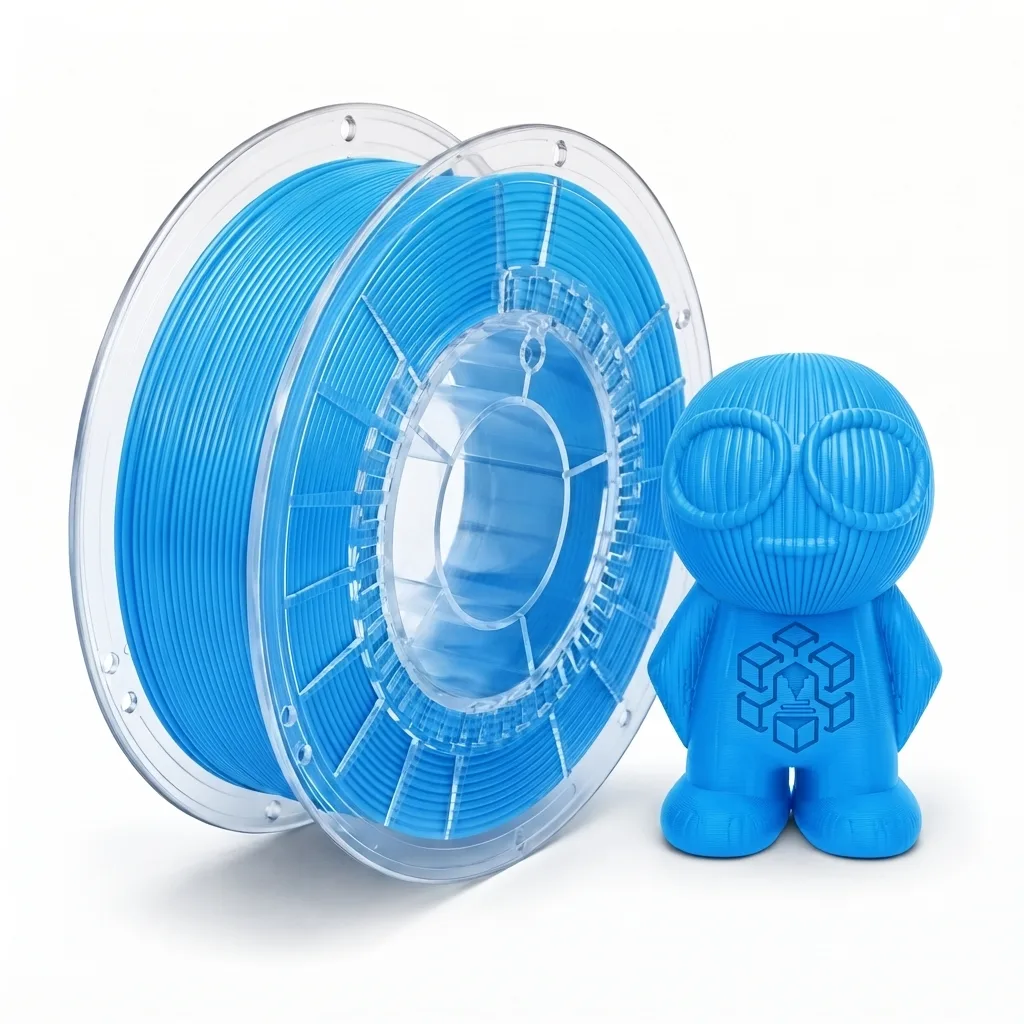
PETG
Jednostavan ispis
Bez mirisa
Otporan na udarce
ASA
Vanjsaka uporaba
Otporan na UV
Jednostavniji od ABS
RecenzijeŠto kažu naši kupci
Nedavno sam kupio PLA filament na ovoj stranici i izuzetno sam impresioniran njegovom kvalitetom. Filament izlazi glatko i ujednačeno, što svaki put rezultira besprijekornim printovima. Žive boje točno su onakve kako su opisane i mojim projektima daju profesionalan dojam. Dostava je bila brza, a pakiranje je osiguralo da filament stigne u savršenom stanju. Toplo preporučujem ovaj PLA filament svima koji traže pouzdan i kvalitetan materijal za 3D print.
Izvrstan filament! Osobno sam više nego oduševljen.
10/10! 😀 I’ve tried various PETG filaments, but this one is on another level. It easily outperforms even the big names like Bambu Lab in every way. The colors are rich and vibrant, and the low printing temperatures are impressive. I was a skeptic at first, but now I’m a fan for life!
Često postavljana pitanja (FAQ)
Gdje se proizvode Crofil 3D filamenti?
Svi Crofil 3D filamenti razvijaju se i proizvode u Hrvatskoj. Naš proizvodni pogon koristi naprednu tehnologiju ekstruzije i kontinuiranu lasersku kontrolu promjera (±0,02/0,03 mm), čime jamčimo vrhunsku europsku kvalitetu, pouzdanost ispisa i podršku domaćem gospodarstvu.
Što obuhvaća ponuda Crofil 3D filamenata?
U CroFil 3D asortimanu nudimo širok spektar visokokvalitetnih materijala za sve vrste projekata – od hobističkih do zahtjevnih industrijskih aplikacija. Naša ponuda uključuje:
Inženjerski kompoziti: PA6-CF (najlon ojačan karbonskim vlaknima) za maksimalnu čvrstoću.
Standardni i napredni materijali: PLA (Basic & High Speed), PETG i ASA.
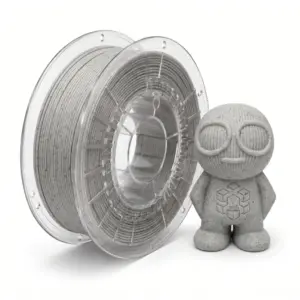
Estetski filamenti: PLA Silk (visoki sjaj), PLA Marble i PETG Marble (efekt mramora/kamena).
Funkcionalni i vizualni materijali: PETG MATT (izvrstan mat završni sloj bez vidljivih linija).
Kako odabrati pravi materijal: koja je glavna razlika između PLA, PETG i ASA?
Odabir ovisi o namjeni vašeg modela:
- PLA je najlakši za ispis, savršen za detaljne vizualne modele, prototipove i figure. Nema neugodnih mirisa i ne zahtijeva zatvoren pisač.
- PETG je “zlatna sredina” – kombinira jednostavnost ispisa PLA-a s mehaničkom otpornošću i fleksibilnošću. Odličan je za funkcionalne dijelove koji trpe umjerena opterećenja i kemikalije.
- ASA je tehnički materijal visoke čvrstoće, otporan na temperature do oko 100 °C i UVzračenje. Idealan je za vanjsku upotrebu i auto-moto dijelove, ali zahtijeva stabilnu temperaturu okoline (zatvoren pisač) tijekom ispisa.
Što je PA6-CF filament i za što se koristi?
CroFil PA6-CF je vrhunski inženjerski filament izrađen od najlona (Poliamid 6) ojačanog visokim udjelom karbonskih (ugljičnih) vlakana.
- Karakteristike: Odlikuje se ekstremnom strukturalnom čvrstoćom, krutošću, visokom otpornošću na udarce i izvrsnom temperaturnom postojanošću (čak do 150 – 180 °C nakon termičke obrade/annealinga).
Napomena: Zbog abrazivnih karbonskih vlakana, za ispis je obavezno koristiti mlaznicu od kaljenog čelika (hardened steel) ili kaljenog safira/rubina minimalnog promjera 0.4 mm.
Primjena: Zamjena za metalne dijelove, izrada funkcionalnih prototipova pod visokim opterećenjem, robotskih komponenti, alata i naprava u auto i aero industriji.
Koje su prednosti estetskih materijala (Silk, Matte, Marble)?
Naši estetski filamenti dizajnirani su kako bi sakrili slojeve ispisa i dali modelima profesionalan izgled bez potrebe za naknadnom obradom:
PETG MATT: Neutralizira prirodni sjaj PETG-a stvarajući duboki, matirani završni sloj. Izuzetno uspješno skriva linije slojeva (layer lines), dajući modelima premium, industrijski izgled.
PLA Silk: Sadrži posebne aditive koji printu daju luksuzan, svilenkasti sjaj i glatkoću koja izvrsno reflektira svjetlo.
PLA & PETG Marble: Sadrže sitne čestice koje vjerno imitiraju teksturu i izgled prirodnog mramora ili kamena – idealno za arhitektonske makete, vaze i skulpture.
Na kojim temperaturama treba ispisivati Crofil 3D filamente?
Iako optimalne postavke mogu varirati ovisno o modelu vašeg 3D printera, korištenoj mlaznici i brzini ispisa, preporučujemo sljedeće početne postavke:
PA6-CF
Temperatura mlaznice: 260 – 290 °C
Temperatura podloge: 80 – 100 °C
Napomena: Za najbolje rezultate materijal mora biti temeljito osušen prije ispisa te se preporučuje korištenje zatvorene komore tijekom ispisa.
PLA (Basic, Silk, Marble)
Temperatura mlaznice: 190 – 220 °C
Temperatura podloge: 50 – 60 °C
PETG (Basic, Matt, Marble)
Temperatura mlaznice: 230 – 250 °C
Temperatura podloge: 70 – 80 °C
ASA
Temperatura mlaznice: 240 – 260 °C
Temperatura podloge: 90 – 110 °C
Kako pravilno skladištiti i sušiti filamente (posebno PA6-CF i PETG)?
Skladištenje i sušenje filamenta
Svi 3D filamenti u određenoj su mjeri higroskopni, što znači da upijaju vlagu iz zraka. Prekomjerna vlaga može uzrokovati pojavu mjehurića tijekom ispisa, pucketanje u mlaznici, lošiju kvalitetu površine te smanjenu čvrstoću gotovog modela.
- Skladištenje: Za dugotrajno skladištenje preporučujemo držanje filamenta u suhom prostoru ili u namjenskoj suhoj kutiji.
- Sušenje: Različiti materijali različito reagiraju na vlagu. PETG i ASA vlagu upijaju sporije, dok je PA6-CF izrazito higroskopan te može upiti značajnu količinu vlage već nakon nekoliko sati izlaganja zraku. Ako primijetite pucketanje tijekom ispisa, neravnu površinu ili slabiju kvalitetu modela, preporučujemo sušenje filamenta prije ispisa:
- PETG: 65 °C tijekom 4 – 6 sati
- PA6-CF: 80 – 90 °C tijekom 6 – 12 sati
Za najbolje rezultate preporučujemo korištenje namjenske sušilice za filamente ili 3D printera sa sustavom za sušenje tijekom ispisa.